The Importance of Encryption in Cybersecurity What is Encryption in Cybersecurity? Encryption is the process of converting readable information (plaintext) into an unreadable format (ciphertext). Only someone with the correct decryption key can turn it back into its original form. This transformation ensures that even if hackers intercept the data, they cannot understand or use it. Beyond confidentiality, encryption also provides two other major security benefits: Authentication – confirms that data comes from a trusted source. Integrity – ensures the data has not been altered during transmission. Together, these functions create a protective barrier against unauthorized access and manipulation. How…
-
-
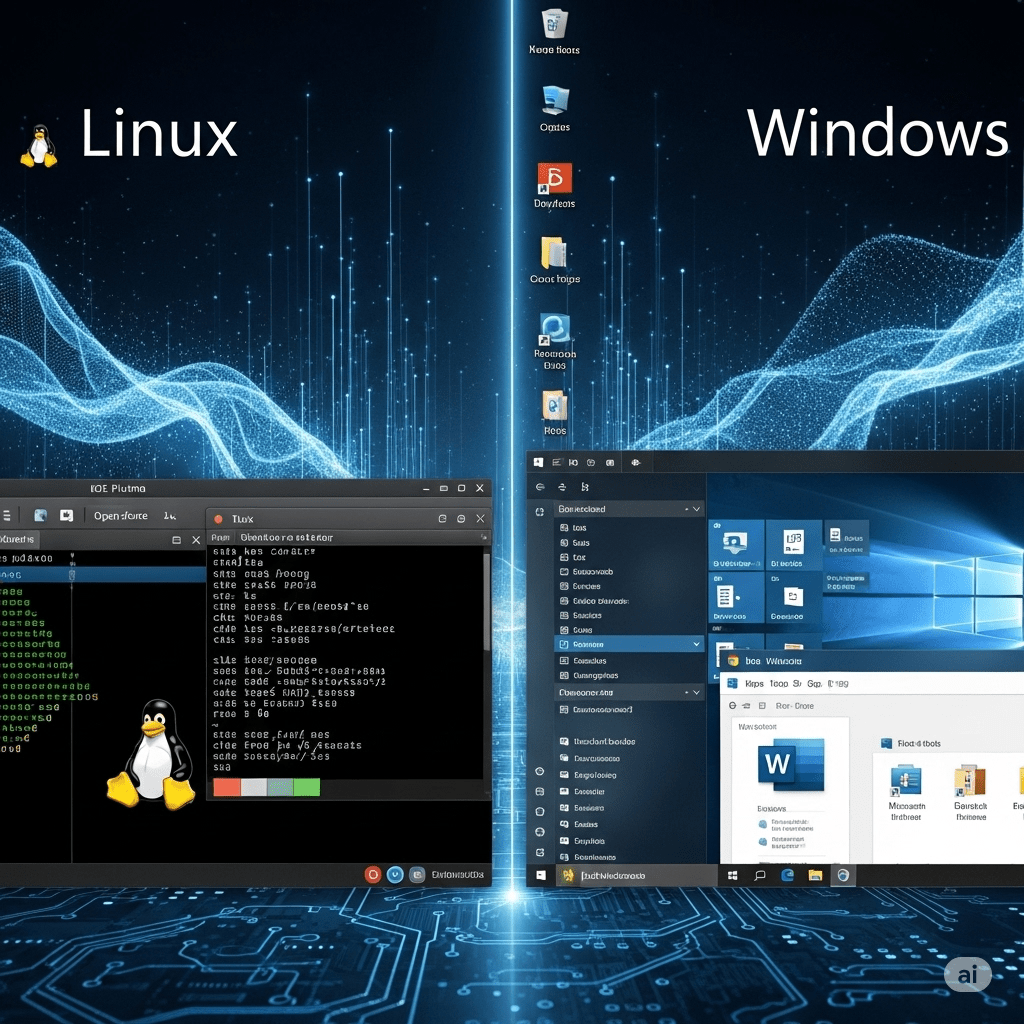
Operating Systems An operating system (OS) is the core software that manages a computer’s hardware and provides the environment where other programs run. Without it, a machine would just be a collection of parts with no way to communicate. Think of it as the middle layer that connects users, applications, and the physical hardware. Key Functions of an Operating System Operating systems handle multiple critical tasks, including: Process Management: Controls how programs run and ensures they get the CPU time they need. Memory Management: Allocates and monitors RAM so no program uses more than it should. File System Management: Organizes…
-
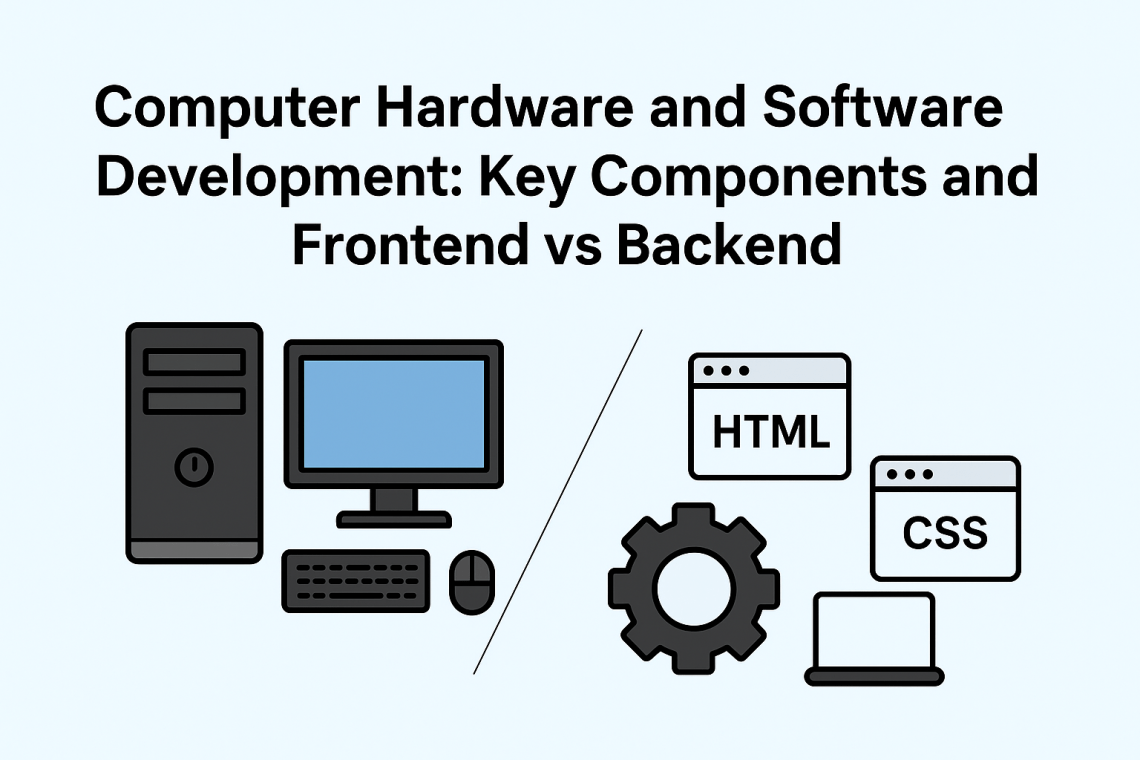
What is Computer Hardware? Computer hardware refers to the physical parts of a computer system. Unlike software, which is a set of programs and instructions, hardware is the tangible equipment you can touch and see. Every part of a computer, from the processor inside the machine to the monitor on your desk, plays a role in keeping the system functional. Without hardware, software would have no platform to run on. Together, they form the foundation of modern computing. Key Components of a Computer System A computer system is built on several critical components that work together. Here are the…