• Blog - IT

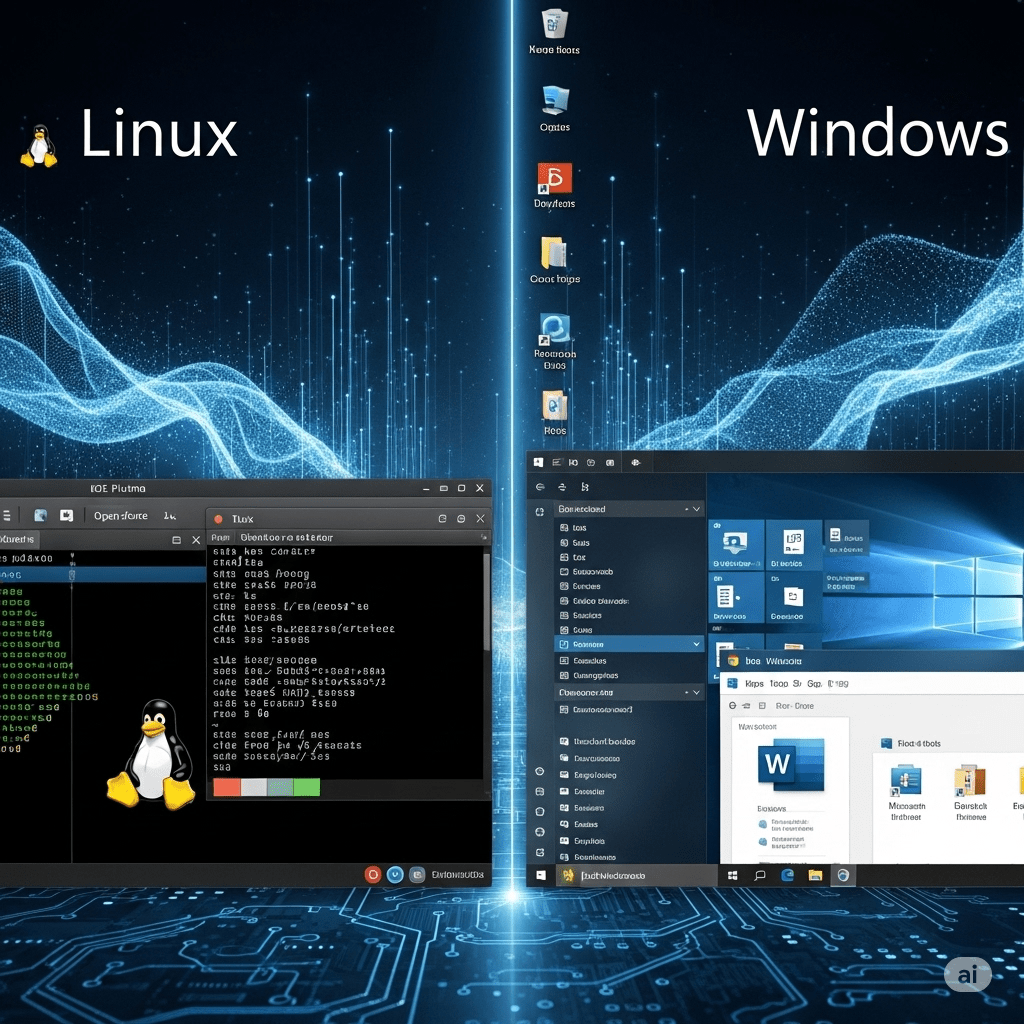
    Operating Systems – How does Linux differ from Windows?

    Operating Systems An operating system (OS) is the core software that manages a computer’s hardware and provides the environment where other programs run. Without it, a machine would just be a collection of parts with no way to communicate. Think of it as the middle layer that connects users, applications, and the physical hardware. Key Functions of an Operating System Operating systems handle multiple critical tasks, including: Process Management: Controls how programs run and ensures they get the CPU time they need. Memory Management: Allocates and monitors RAM so no program uses more than it should. File System Management: Organizes…
  • Blog - IT

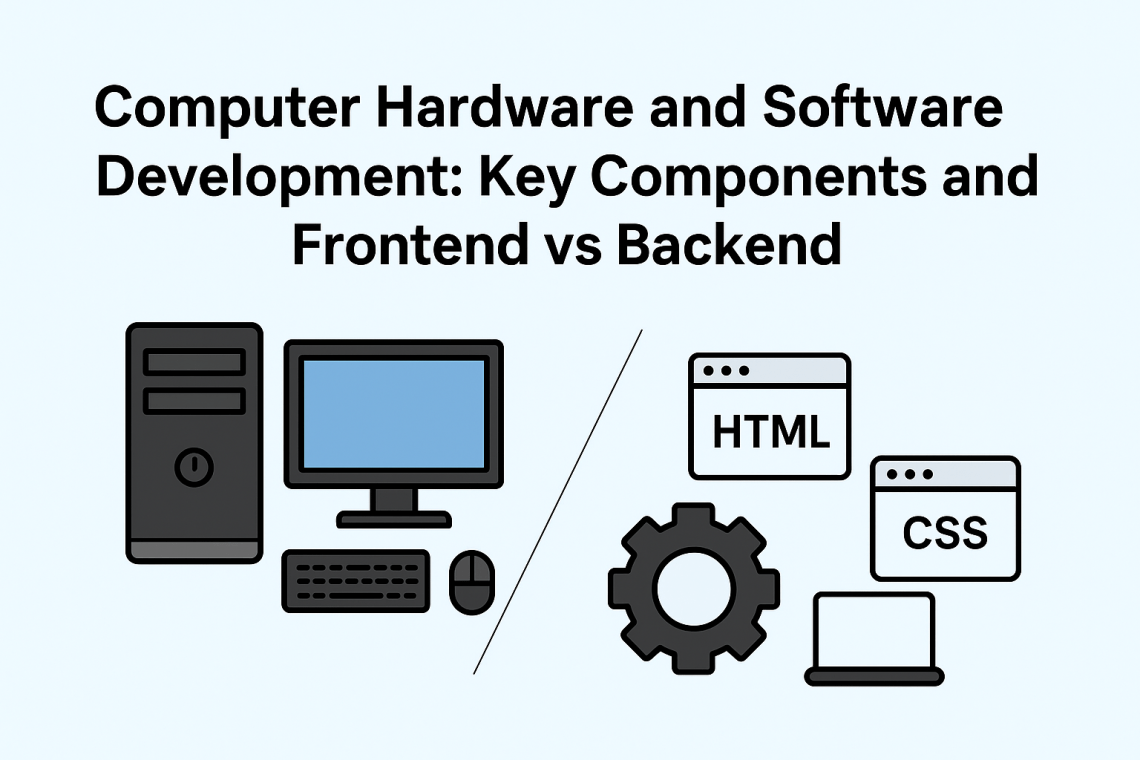
    Computer Hardware and Software Development: Key Components and Frontend vs Backend

    What is Computer Hardware? Computer hardware refers to the physical parts of a computer system. Unlike software, which is a set of programs and instructions, hardware is the tangible equipment you can touch and see. Every part of a computer, from the processor inside the machine to the monitor on your desk, plays a role in keeping the system functional. Without hardware, software would have no platform to run on. Together, they form the foundation of modern computing.   Key Components of a Computer System A computer system is built on several critical components that work together. Here are the…